San Antonio is one of the few major American markets where a brand cannot treat language as a detail. More than half the metro population is Hispanic, and a large share of daily conversation — including the conversation happening in your comment section — moves between English and Spanish without announcing it. Serious community management in San Antonio, Texas starts there: not with content themes, but with how your brand handles two languages in the same feed.
Studio VingTrois produces photography, film and drone content for manufacturers, craft businesses and hospitality brands, and works across markets where audiences are not monolingual. What follows is the operating framework we apply, adapted to the San Antonio context.
Three bilingual models, and how to choose
There is no universal answer, but there are three viable configurations. Picking one deliberately is what separates a coherent account from an inconsistent one.
- Mirrored accounts: a full English feed and a full Spanish feed. Highest quality, highest cost. Justified when Spanish-speaking customers represent a distinct commercial segment with different offers.
- One feed, bilingual captions: a single account where each post carries both languages, English first or Spanish first depending on the audience. The pragmatic default for most local businesses.
- One feed, language-matched replies: publishing in one primary language, but always answering each person in the language they used. The minimum acceptable standard, and often the right starting point.
The failure mode to avoid is drifting between the three without deciding. Customers read that as inattention.
Translation is not the hard part — register is
Machine translation will produce grammatically correct Spanish. It will not produce Spanish that sounds like San Antonio. Regional vocabulary, the choice between formal and informal address, and the local rhythm of speech all carry signals that a literal translation strips out.
The practical rule: write the Spanish version, do not translate it. Give a bilingual writer the intent of the post, not the English sentence. The result reads as written by someone from the market, because it was.
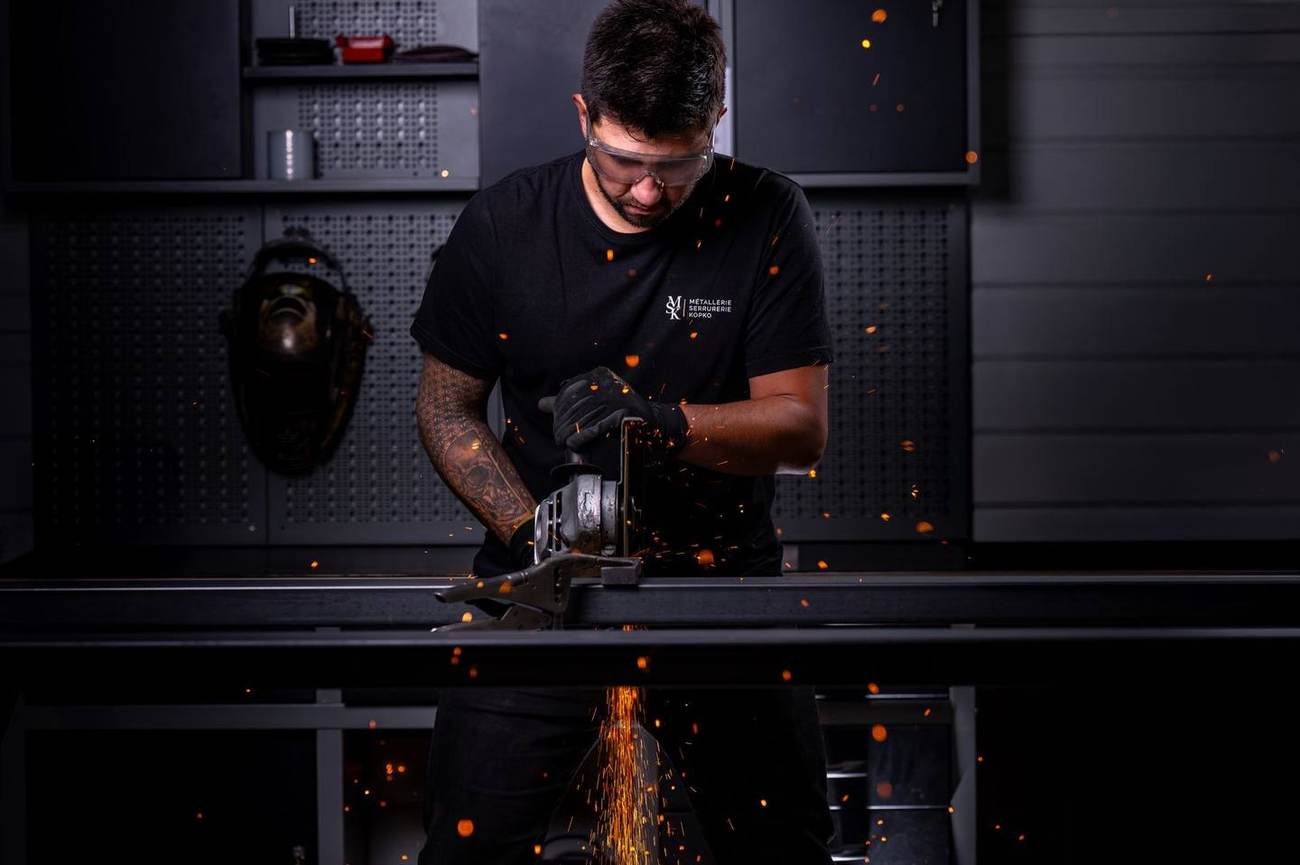
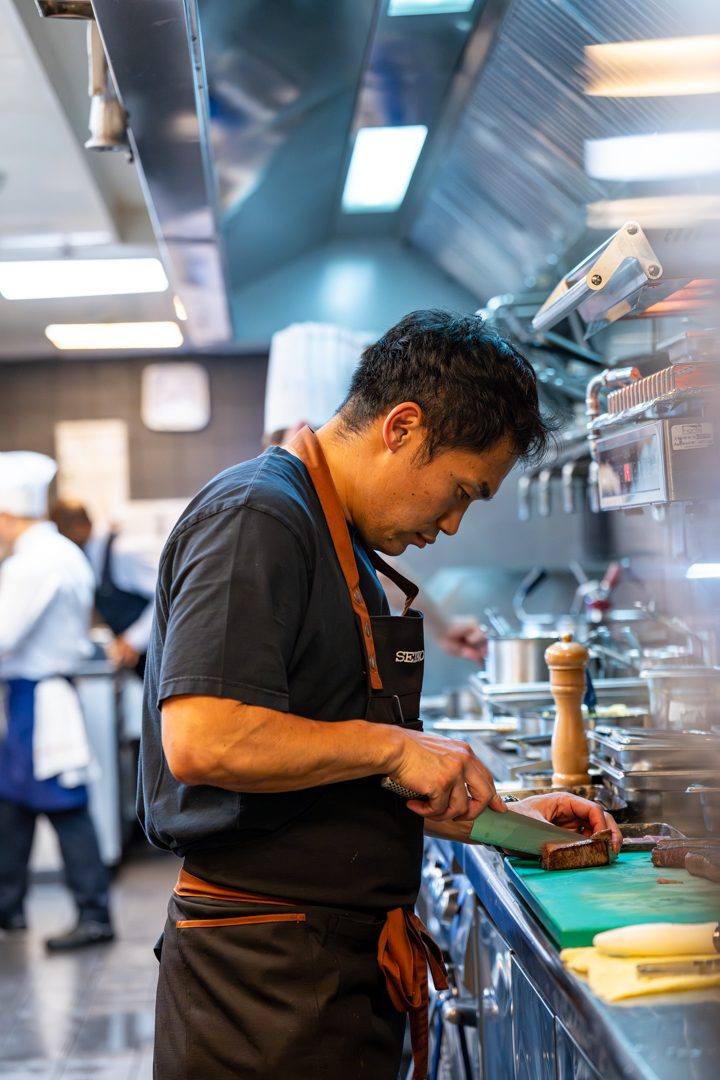
Visual content sidesteps the problem entirely, which is one reason we push clients in bilingual markets toward image-led and film-led communication. A well-shot sequence of a process, a material, a finished piece needs no translation at all — the same principle we apply for our fine-dining and luxury clients, where the image does the persuading.
A moderation grid that survives real comment sections
Bilingual moderation doubles the judgement calls. Writing the rules down in advance is what keeps response times honest.
- Always answer in the language of the message. No exceptions, including for one-word comments.
- Set a response window and publish it: four business hours on direct messages, twenty-four hours on public comments, is realistic and above local average.
- Define three escalation tiers: answered by the community manager, routed to operations, escalated to a director. Assign each tier a maximum delay.
- Never delete a critical comment unless it breaks a stated rule. Hide abuse, answer criticism, and say so in a pinned policy.
- Log recurring questions monthly. Three appearances of the same question means it belongs on the website, not in the inbox.
The San Antonio economy shapes the content, not the clichés
The metro runs on healthcare and bioscience, military installations and their supplier ecosystem, manufacturing and logistics, and a very large tourism sector. These are not decorative facts — they determine what content earns attention.
Businesses serving the defence and manufacturing supply chain face content restrictions that consumer brands never encounter: site access rules, badge zones, equipment that cannot appear on camera. Planning for these constraints before a shoot, rather than discovering them on site, is a large part of what we do with our industrial clients. It means agreeing in advance what is filmable, who validates the final cut, and how long approval takes.
Reviews and public profiles matter more than the feed
In a market this size, most local discovery happens in map results and reviews rather than in social feeds. A bilingual review response policy is therefore worth more than an extra weekly post.
Answer every review, in the reviewer's language, within a week. Keep responses short and specific — a generic reply reads worse than none. Photographs uploaded to the business profile consistently outperform the same images posted to a social feed for local conversion.
What to measure
Track the split of inbound messages by language over time. It tells you whether your Spanish-language communication is actually reaching people or whether you are publishing into a void. Alongside it: median first-response time, share of reviews answered, and direction requests from the local profile.
These four figures describe the health of a bilingual community operation better than any follower count.
Getting the language architecture right first
Content quality matters, but in San Antonio it sits downstream of a language decision. Choose your bilingual model, write your moderation grid, and commit to a response window you can hold during your busiest month.
Studio VingTrois is based in Reims, France and works internationally with clients whose audiences span several languages. If you are building or repairing a bilingual social operation, tell us where it currently breaks and we will help you rebuild the structure.